World of Warcraft: Forever
What to expect
Blizzard announced World of Warcraft: Forever at BlizzCon 2026: a third, permanent version of the game that keeps the vanilla ruleset and grows sideways instead of forward. This is everything the reveal and the deep-dive panels covered, from the shape of the world down to the stats on your gear.
Next up: Beta, Sept 17 – Oct 22. Launch is 51 days away. Full roadmap →
-
 17 Sept 2026 Beta
 -
 4 Nov 2026 Launch
 -
 60 Level cap
 -
 4 New regions
 -
 1,000+ New quests
 -
 9 New dungeons
128 changes across 17 systems, from the BlizzCon 2026 reveal and deep-dive panels.
 What Forever actually is
Not a relaunch and not an expansion. A parallel Azeroth that stays in its first year and keeps growing sideways.
-
 Forever starts at the same moment the 2004 game did and keeps every original quest. New content is threaded into the world around them rather than replacing them.
 -
 The setting is sealed in year one: after the Third War, before the Dark Portal reopens, before anyone marches on Northrend. It runs as its own continuity beside retail and Classic Era.
 -
 Warcraft history still counts. Arthas taking the Frozen Throne and Archimonde's defeat at Hyjal are the backdrop, not something being undone.
 - Level 60 is the ceiling and there are no plans to raise it. Progression comes from new places, items, reputations, professions and builds instead of new levels.
-
 No flying mounts and no level scaling. Every zone keeps its own difficulty, so where you go next is a real choice rather than a formality.
 -
 Nothing you earn gets wiped by the next patch. There is no expansion cycle quietly invalidating your gear.
 -
 Levelling is treated as the main event, not a queue for the endgame. The catch-up plan for a new character is simply to play: level, explore, quest, run dungeons.
 -
 Classes are not being flattened into each other. Specs keep sharp edges instead of every class getting one of everything.
 -
 Patches are meant to feed several kinds of player at once, mixing solo stories, levelling content, dungeons, raids, PvP, professions and world content.
 Realms are gone
You pick a ruleset, not a server name. Each one behaves like a single enormous realm.
-
 There is no list of individual realms any more. You choose how you want to play and land in one very large shared world for that ruleset.
 -
 Four rulesets: Normal, where world PvP only happens if you opt in. PvP, where contested zones stay genuinely dangerous. Roleplaying, for people who want the immersive crowd. Hardcore, arriving after launch with permanent death.
 - This is meant to kill two old problems at once: picking a server that slowly dies, and picking the popular one and sitting in a launch queue.
-
 Blizzard still wants the world to feel like a realm. You should keep bumping into the same names while questing and gathering, and guildmates get pulled into the same copy of the outdoor world before you even group.
 -
 You set a language preference and are matched with players who share it.
 -
 Factions stay apart. No cross-faction grouping, and dungeon or raid groups have to come from the same ruleset. PvP rulesets use the faction-balance tools built for Season of Discovery.
 -
 Hardcore is a sealed ecosystem. Progress and collections cannot be carried into it, though rewards earned inside it can show up on your other characters.
 -
 A Hardcore character that dies can move to another ruleset, and for the first time that includes moving to PvP.
 - Characters get two-part names, like a first and last name, unique across the whole region. Far more combinations, far less hunting for a name nobody has taken.
 A bigger map
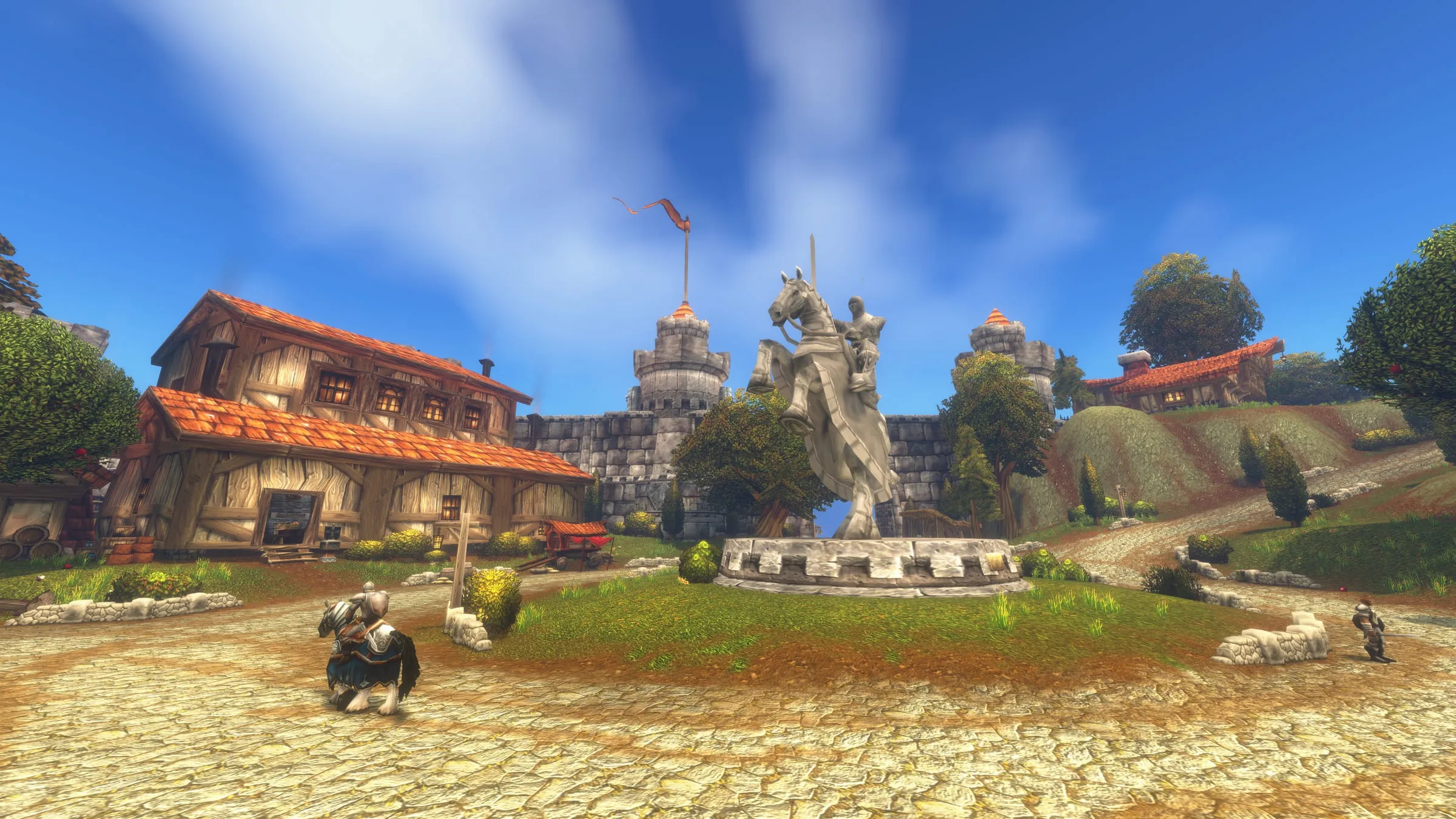
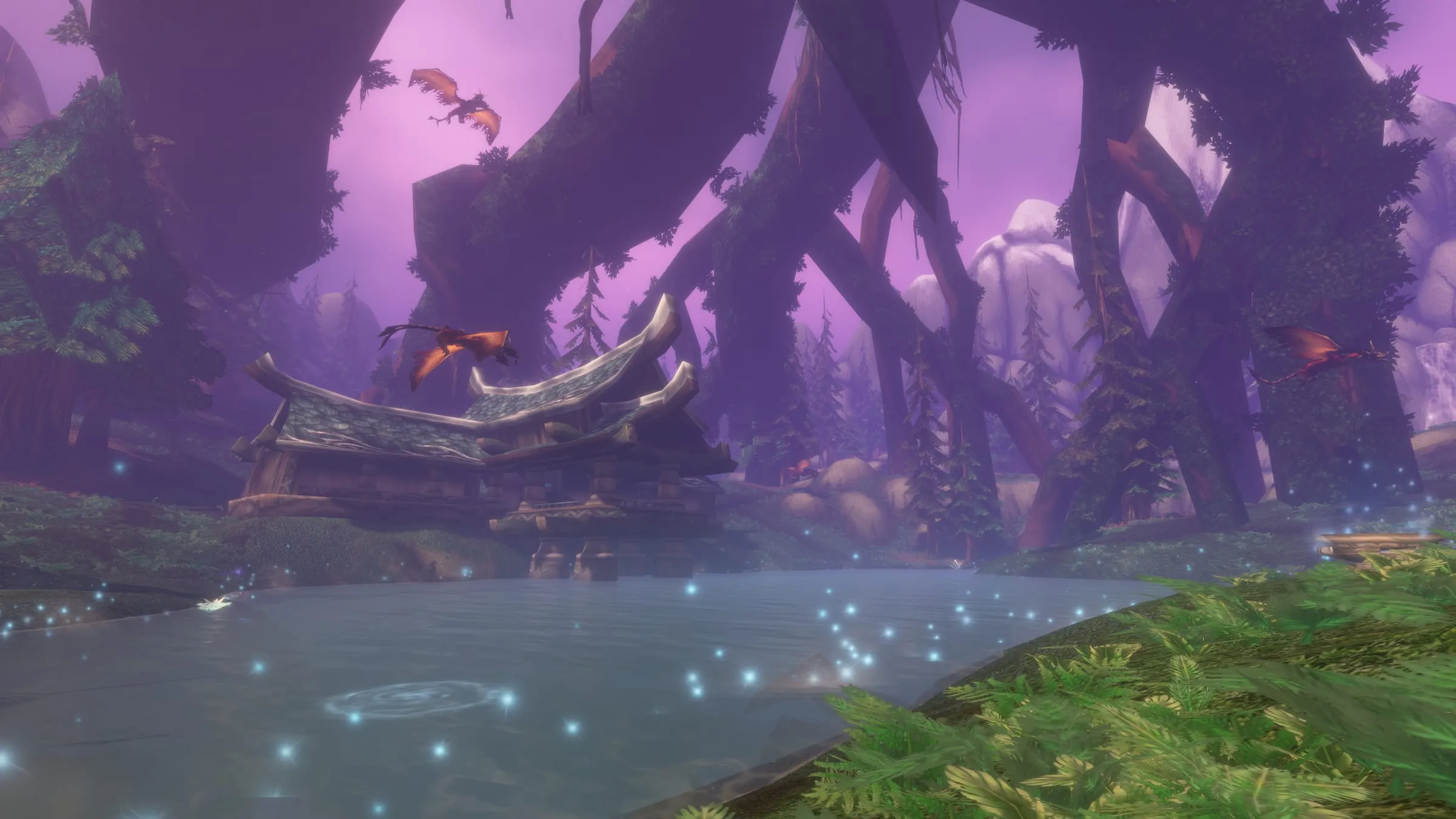
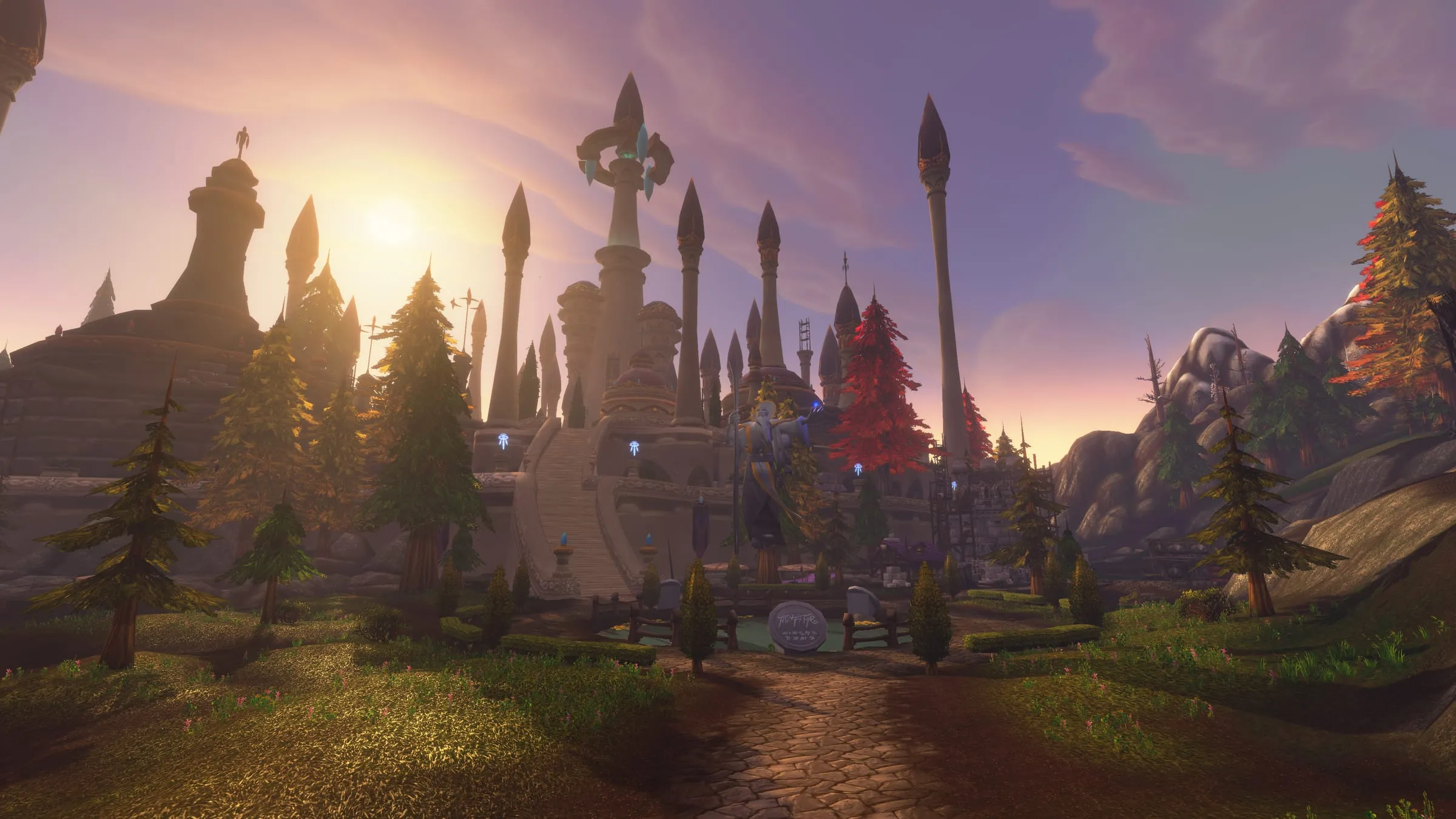
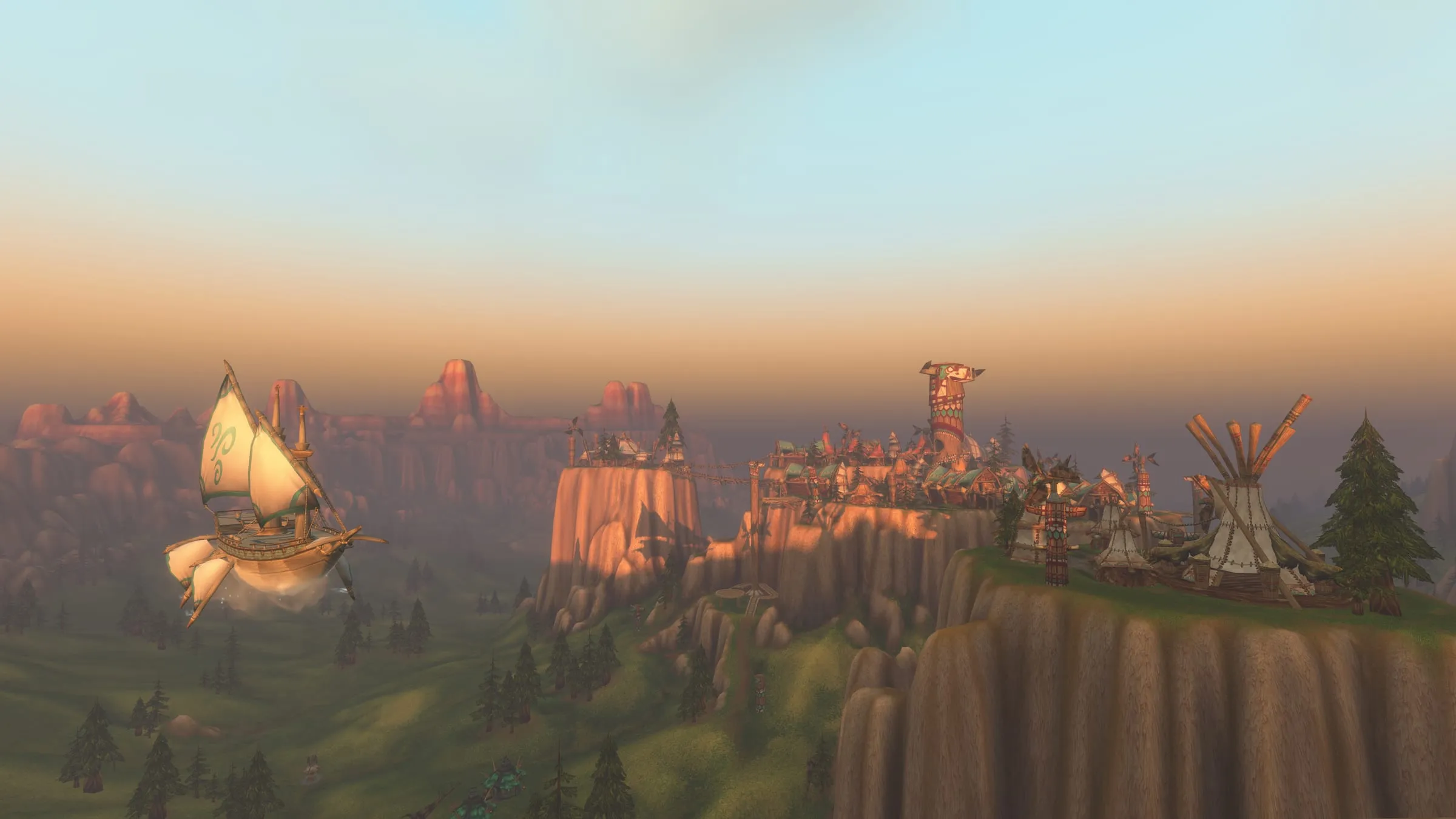
Four new regions, a revived Mount Hyjal, and new quests woven through zones you already know by heart.
- Over 1,000 new quests spread across the whole climb from 1 to 60, not stacked at the end.
-
 The Riverglades is the centrepiece of the new midgame: roughly Stranglethorn-sized, somewhere between the mid thirties and mid forties, on the eastern coast between Redridge, the Burning Steppes, the Badlands and the Swamp of Sorrows. You reach it by a new fork off the Redridge road.
 - Counts for the Riverglades differ between panels, from over 150 quests to nearly 200. Either way it is a full zone with its own reputations, settlements and levelling paths for both factions.
-
 Its cast is deliberately local: humans descended from stranded settlers, orcs and ogres, gnolls and murlocs, Powderfuse goblins, the Twilight's Hammer, the Brotherhood of the Horse, and an ogre clan with a Twilight's Hammer past. Horde start near Ragmar, Alliance at Farhold Keep.
 -
 The Riverglades story is about trade routes, grudges and survival between neighbours. Nobody is asking you to save the planet.
 -
 Zephras Isle, levels 1 to 12, is the Skyborne start: a floating island of stone spires, chains and drifting ships held up by air elementals.
 -
 A new region south of Desolace opens up Shen'dralar history, Eldre'Thalas (now Dire Maul), Prince Tortheldrin, and the Gelkis and Magram centaurs. It gives you fresh reasons to walk back into Maraudon and Razorfen Downs.
 -
 Mount Hyjal returns as the endgame zone, regrown after Archimonde's defeat, dealing with lingering corruption, the Wild Gods, and what losing immortality did to the night elves. It holds new factions, reputations and both solo and group content.
 -
 Dalaran comes back in a state almost nobody has seen: rebuilt after the Third War, still sitting in the Alterac Mountains rather than floating, and shielded by a barrier that has just failed.
 - Old starting zones each pick up dozens of new quests, NPCs, trainers and profession recipes. The Wetlands gets over 25 quests and a new route, Desolace gets centaur faction content, and Azshara gets a serious expansion.
-
 Three new ship routes stitch the levelling regions together without adding flying: Stormwind to Auberdine, Menethil to Southshore and on to Auberdine, and one from Steamwheedle Port in Tanaris heading somewhere new.
 Nine new dungeons
Placed so most of the levelling range gets one, and several blur the line between an instance and a place you can simply walk into.
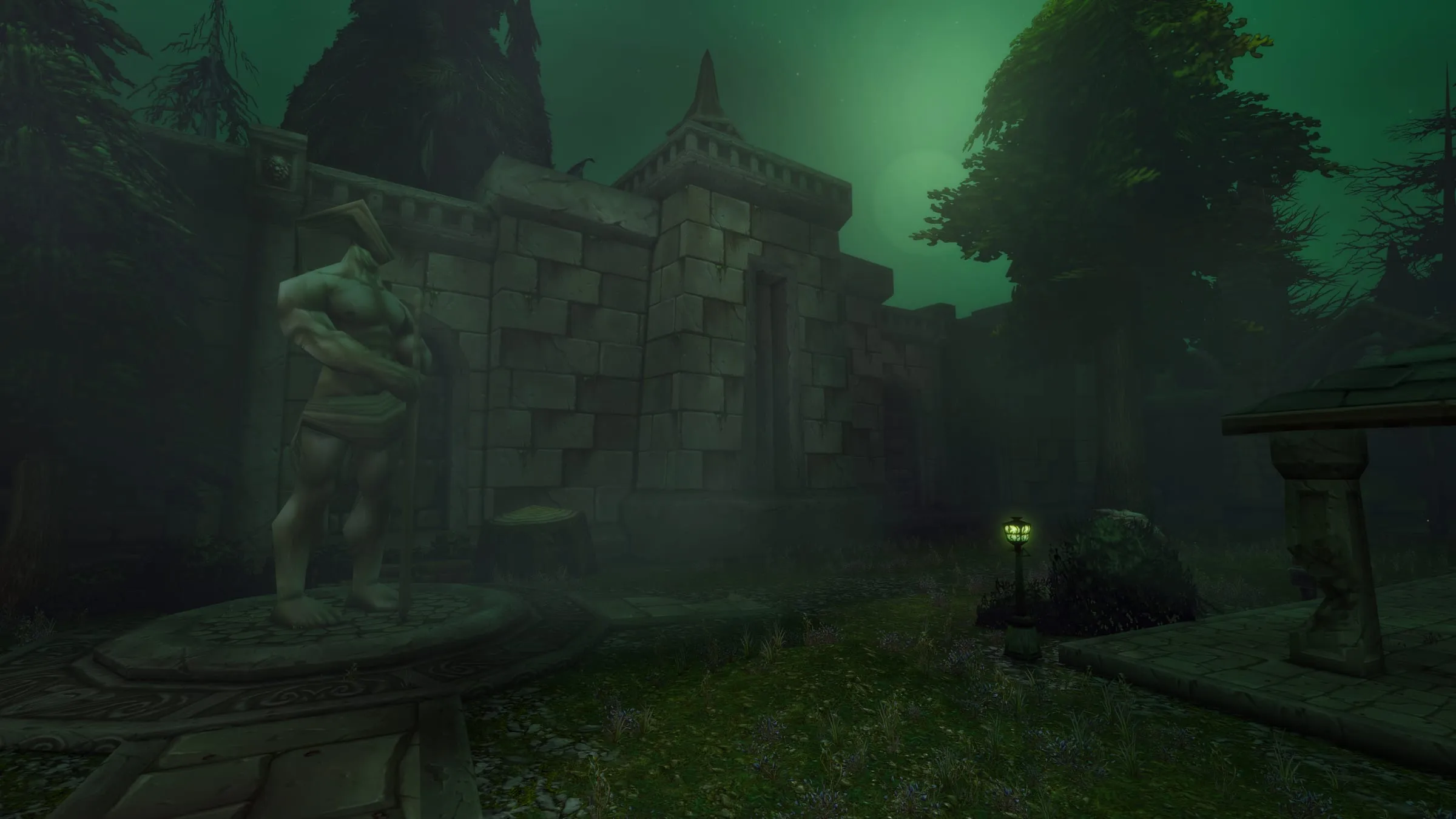
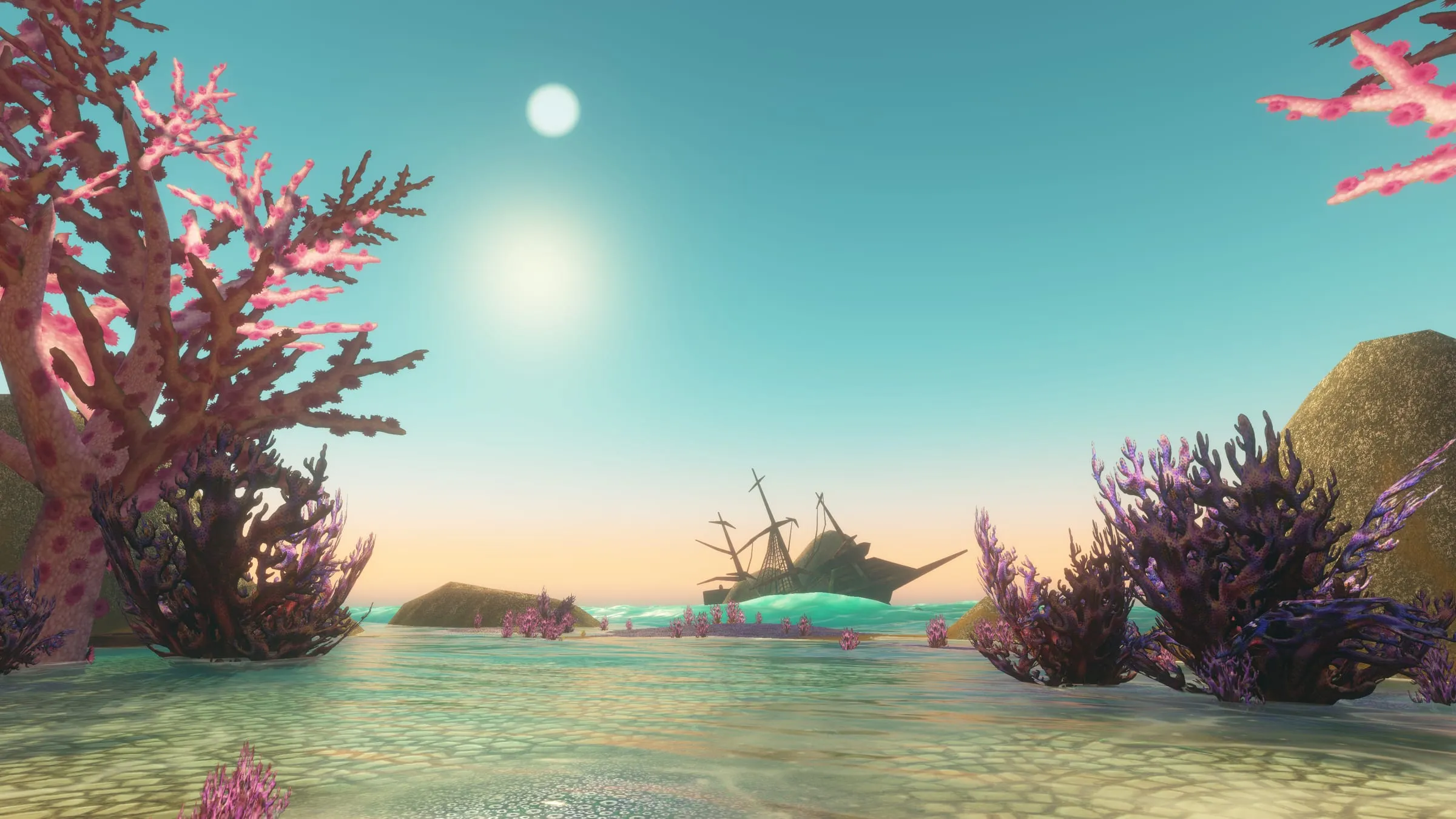
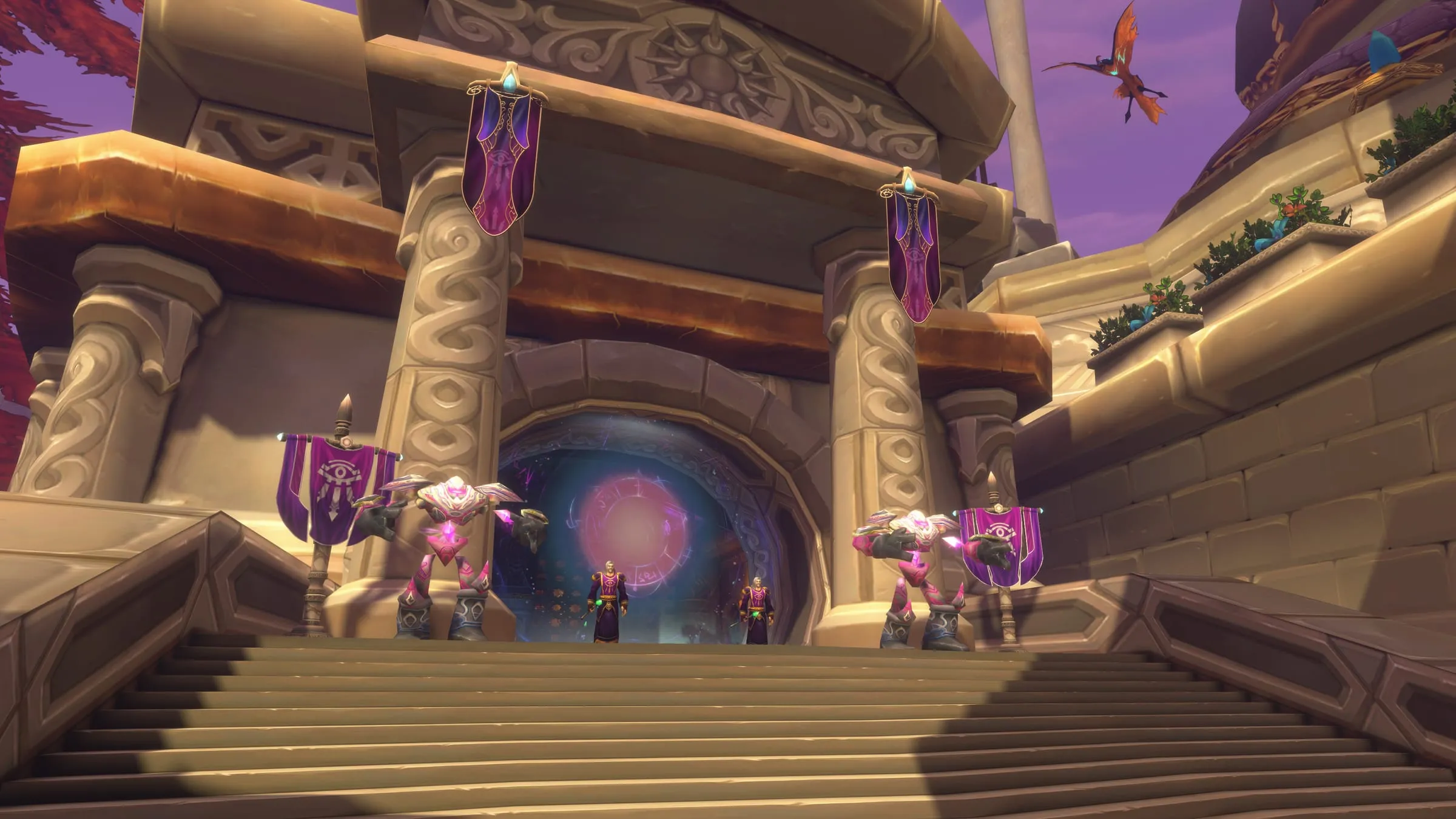
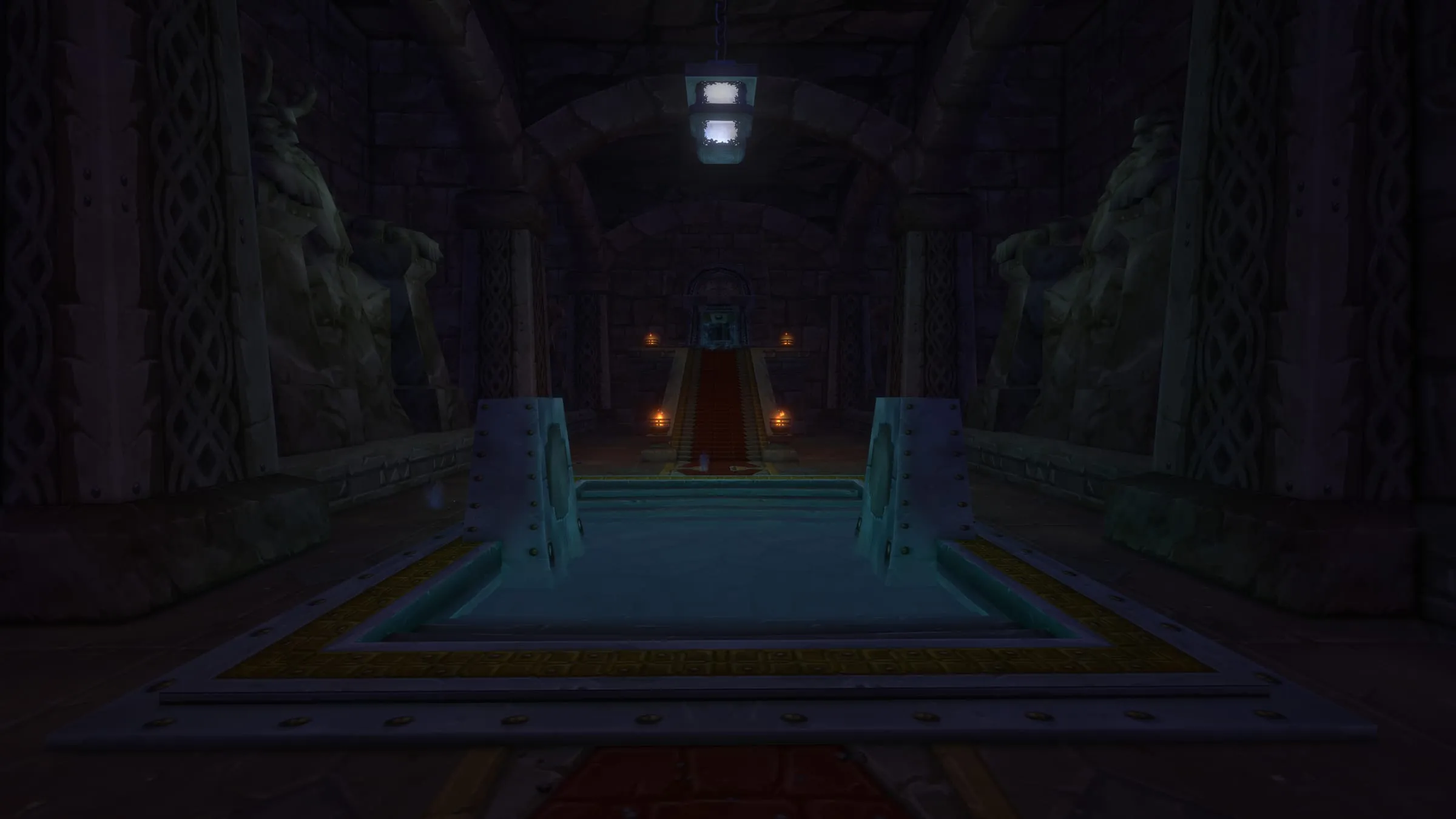
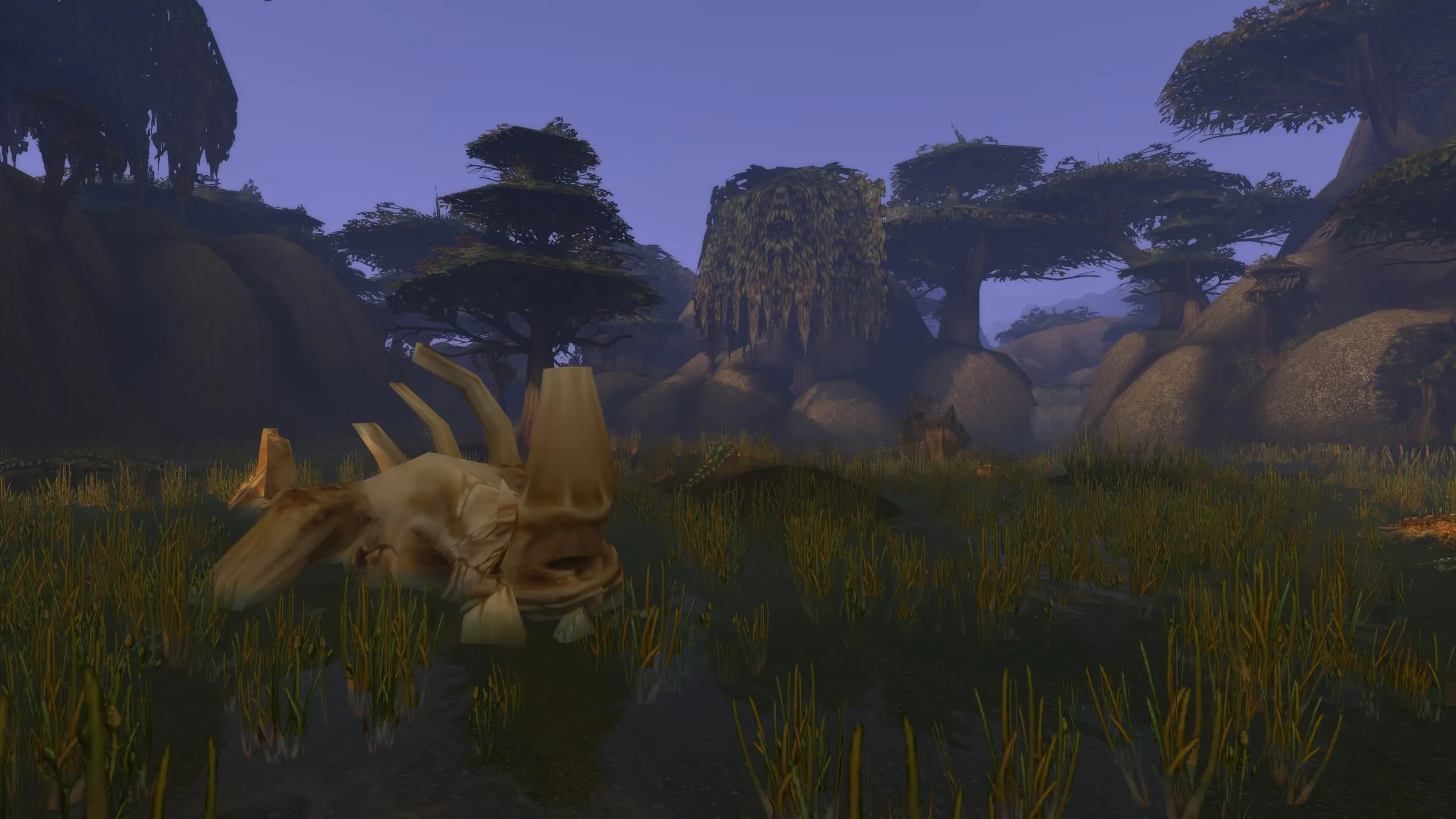
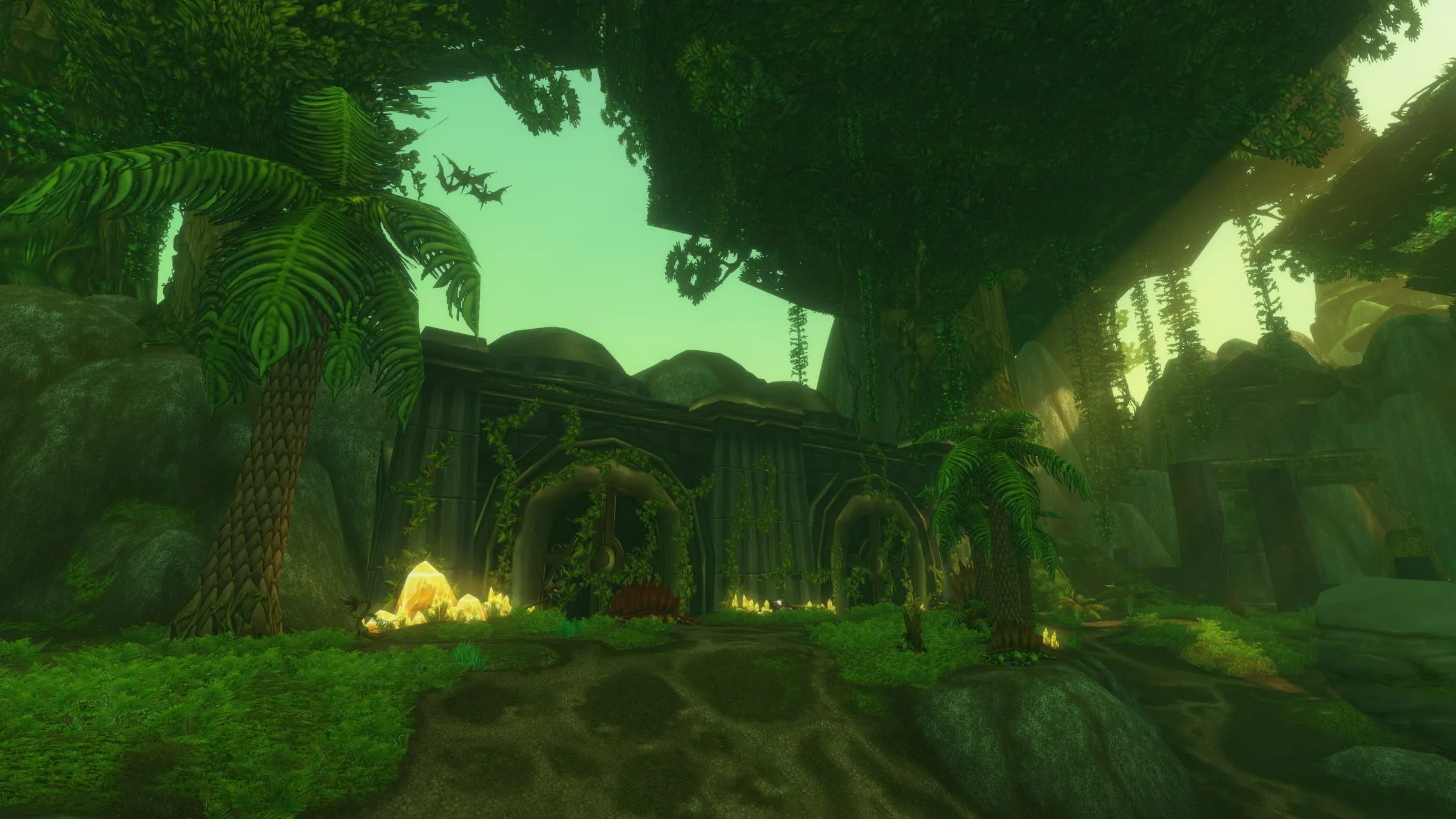
-
 Hall of Thanes, 13 to 18, under Ironforge. A tomb of ancient dwarven kings that someone, probably Dark Iron, has broken into. Alliance are asked to clear them out; the Horde have to sneak or fight their way in.
 -
 Ruins of Lordaeron, 15 to 20. The Forsaken are recovering heirlooms and memories from their ruined capital while Scourge still hold it and a necromancer prepares to hit another city.
 - A Titan dig site in the Wetlands, 24 to 29, above Whelgar's Excavation. A strange mist, flashes of light, active Titan constructs, and an area apparently stuck in time. It should tie straight into the Explorer's League.
- Dalaran, 28 to 33. With the Kirin Tor barrier down, enchantments are failing and demonic energy is leaking in. It is explicitly more than a dungeon; you get to explore the city.
-
 The Drowned City, 35 to 40. Troll ruins off Stranglethorn that have just risen out of the sea, with naga, trolls and a wrecked pirate ship. This was the dungeon playable at BlizzCon.
 -
 Krol'dor Stronghold, 40 to 55. A huge outdoor dungeon in the Riverglades where ogres are raiding settlements and taking prisoners, with night-time chanting that points at the Twilight's Hammer. It is the long-missing alternative to farming Scarlet Monastery.
 -
 A Defias prison, 48 to 53, once used to ransom nobles and rumoured to have held Varian Wrynn. The Defias and naga are now fighting each other inside, which is your way in.
 -
 Blackmaw Hold, 55 to 60, behind the gate in Azshara that has never opened. A furbolg city fighting its own corruption, with tunnels running deep enough to reach the Barrow Deeps.
 -
 Shaper's Terrace, 58 to 60, a Titan facility in the hills of Un'Goro. Untouched by time, full of dinosaurs, power crystals and an energy source nobody has explained.
 How dungeons will play
Slow, tactical and deliberately hostile to pulling half the wing at once.
-
 A single ordinary mob is expected to take somewhere around 15 seconds to kill. Trash is not a speed bump.
 -
 Crowd control is back to being part of the job. Polymorph, Banish, roots and traps all matter again.
 -
 Tanks are built to hold three or four enemies reliably, not a whole room. Keeping the loose ones off the healer is everybody's problem.
 -
 Paladin Consecration shows the design limit in one ability: light damage to everything that walks in, heavy damage only to the first four. Solid threat on a controlled pack, no free threat on a mega-pull.
 -
 Every dungeon boss loot table has been gone through. Boss rewards move up to rare quality, weak drops were rebuilt, new items were added, and the genuinely iconic pieces were left alone.
 -
 Hybrids finally get dungeon and quest gear made for them instead of scraps meant for someone else.
 Raids
Raids
Two at the start, opening a month after launch, with the original vanilla raids still ahead of you in the timeline.
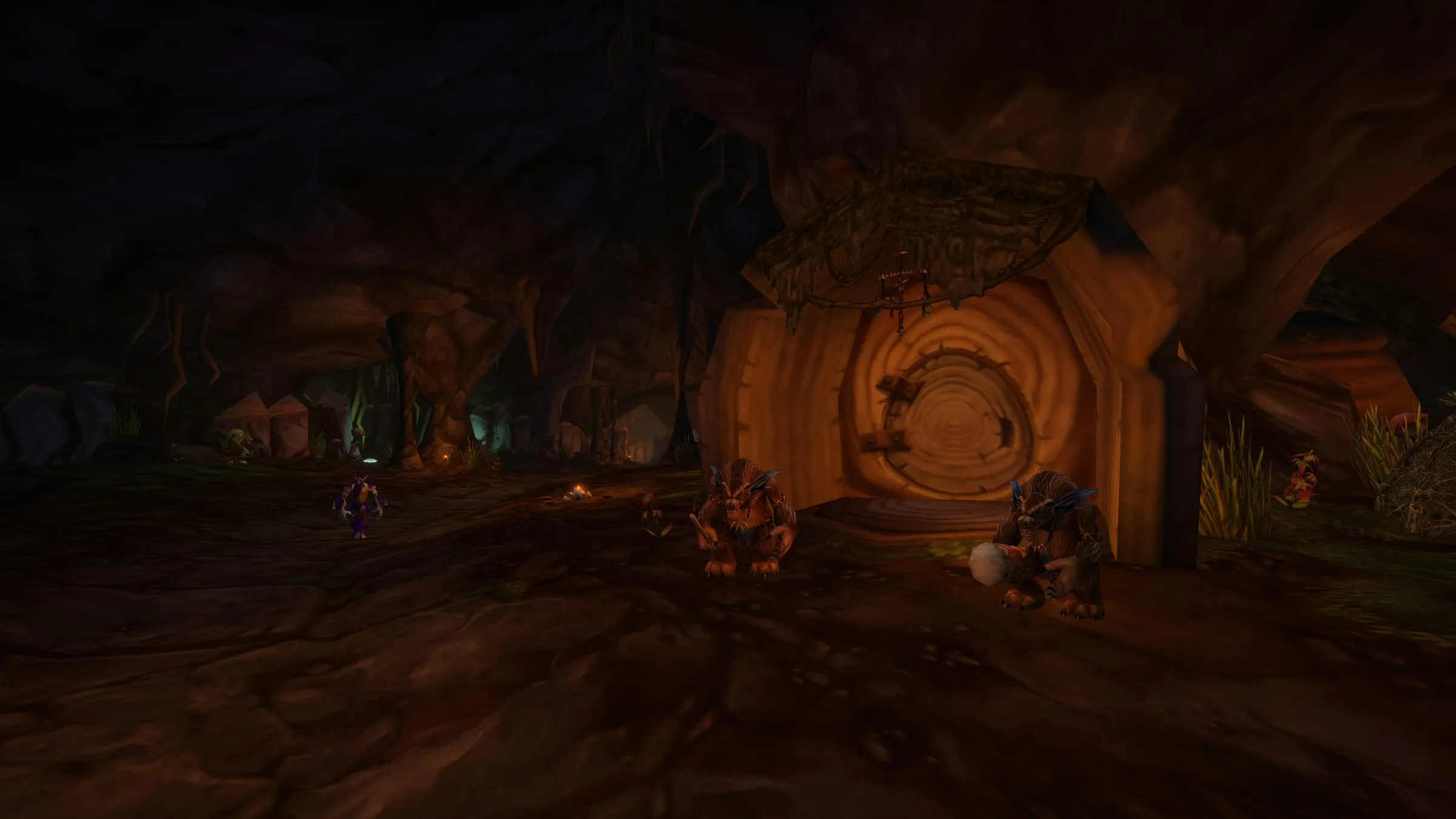
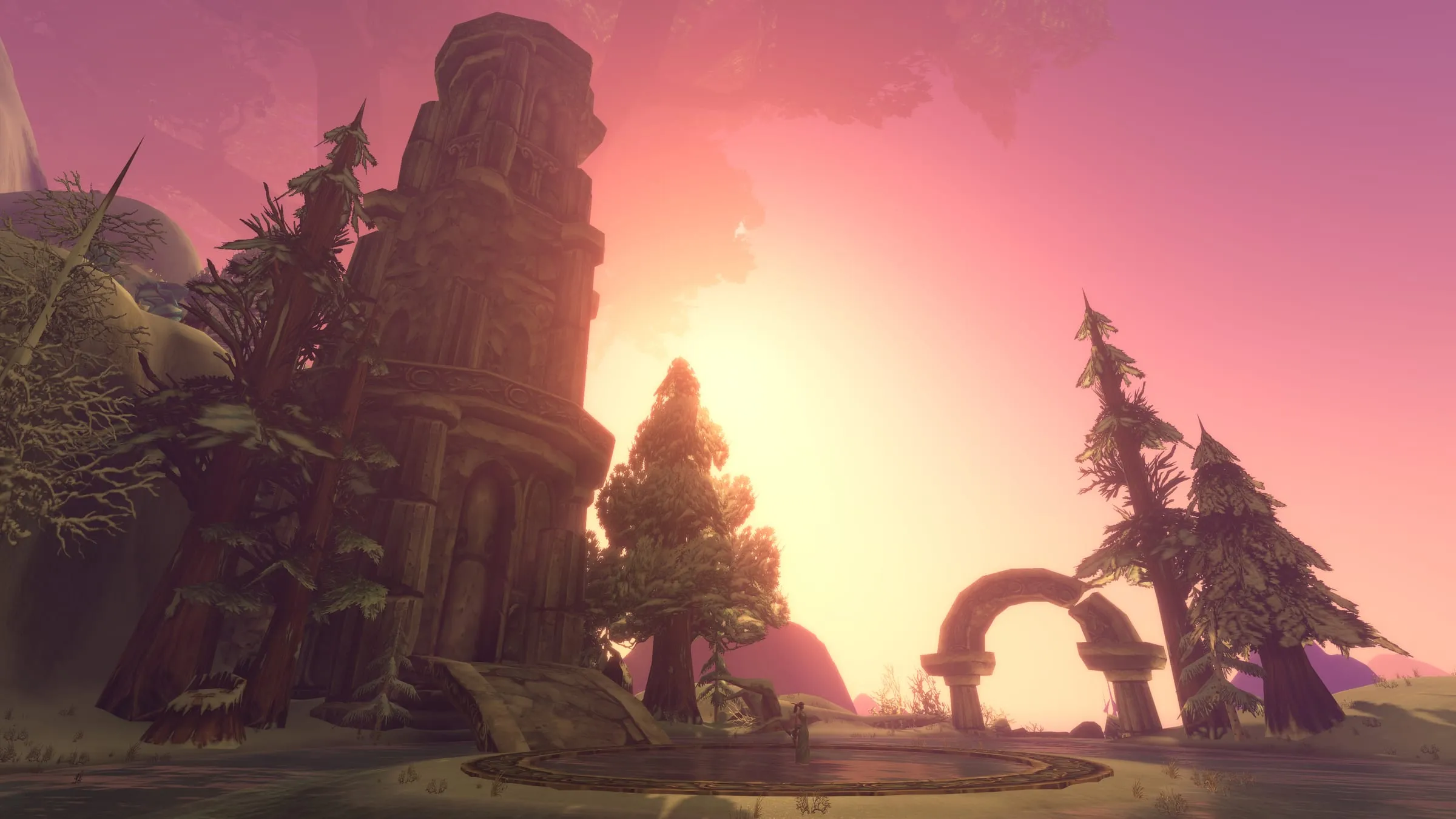
-
 Barrow Deeps, ten players. A vast sacred network of night elven barrow dens with three entrances, one of them on Hyjal, and Blackmaw Hold apparently tunnelling toward it.
 -
 The night elves keep their most dangerous prisoners down there, and a famous demon hunter was once held in it. Corruption is now spreading through the complex.
 - Hyjal Summit, twenty players, is the larger launch raid: snowy peaks, ancient elven ruins and ghosts still lingering from the Third War.
-
 Its story picks at what Malfurion gave up to stop Archimonde, and something is now draining power from the land around the summit. It looks like the route to Forever's first legendary.
 -
 Onyxia's Lair opens alongside them for forty players on 9 December.
 - The classic vanilla raids exist but have not opened yet at this point in the timeline. A revamped iconic raid is pencilled in for summer 2027.
 The Skyborne
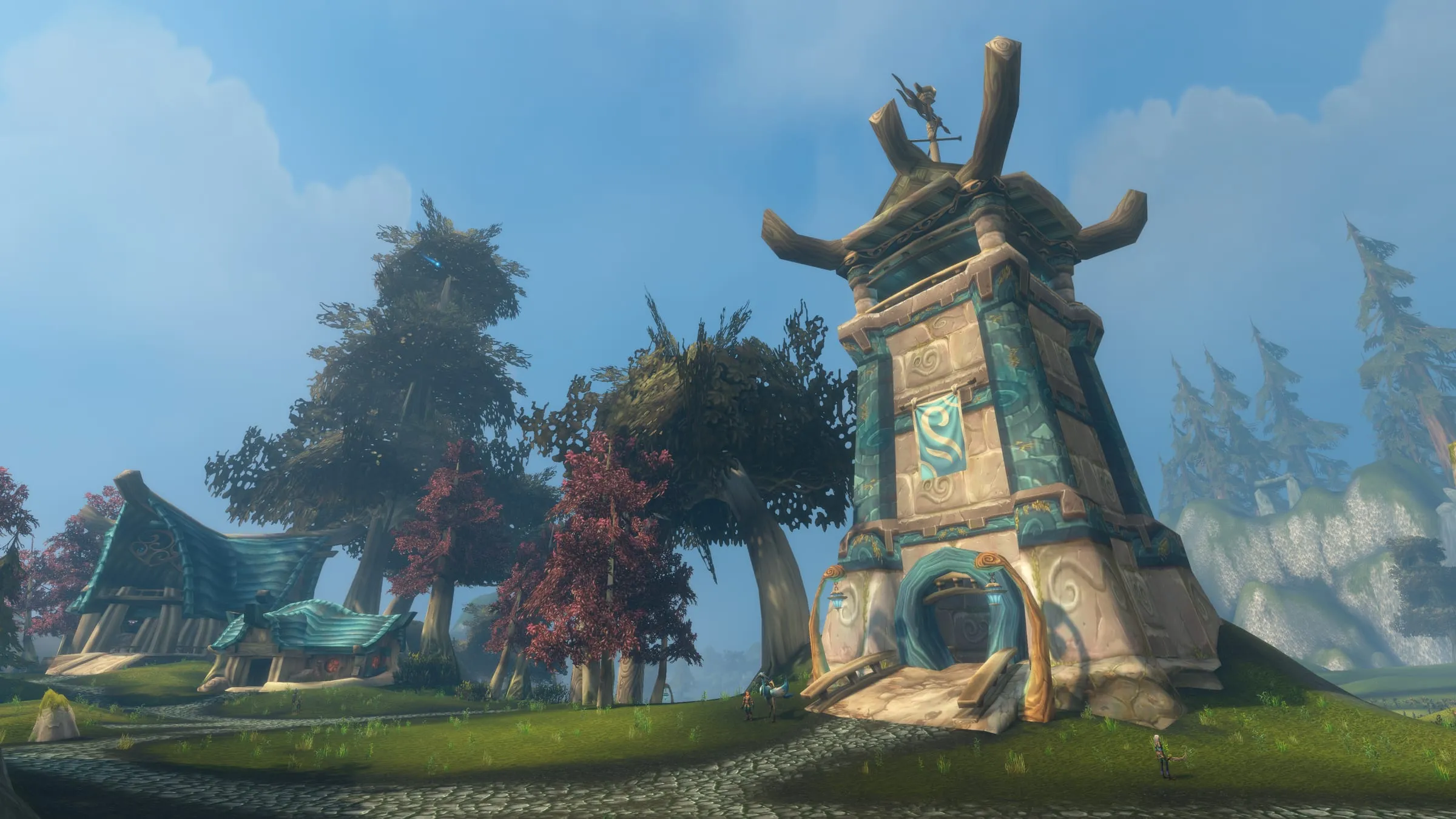
A new elven people who call themselves the Shandori, the Hidden People, and who have spent ten thousand years off the map.
-
 They descend from Highborne who stayed in Eldre'Thalas after the War of the Ancients, and from a rebellion against Prince Tortheldrin's plan to lean on demonic power to keep his people alive.
 - The rebels lost, fled west over the sea, and while being hunted ran into primordial wind spirits who lifted part of their island into the sky and anchored it inside Skywall.
-
 Ten thousand years in the Elemental Plane of Air changed how they look: their build, their skin, their hair and their eyes.
 -
 The crisis that pushes them back into Azeroth is simple. The friendly wind spirits have vanished, the pylons holding the island up are failing, and pieces of it are falling away.
 -
 Three movements are fighting over what happens next. The Windshapers keep the shamanistic elemental traditions and end up with the Horde. The High Order, arcane heirs of the Highborne magisters, treat the collapse as a chance at independence and join the Alliance. The Al'Akir cult worships the Windlord and preys on the fear.
 -
 Warrior, Hunter, Rogue and Druid are open on both sides. Horde Skyborne get Shaman, Alliance Skyborne get Mage.
 -
 They come with their own druid forms, voices, dances and customisations. The racial abilities were shown but not explained.
 - Zephras Isle is a self-contained 1 to 12 experience on purpose. Blizzard were clear they do not want you farming an elemental plane forever; it is a restrained dose of the fantastical.
- The race is tied to a paid edition rather than the base game, which drew a fair amount of noise after the announcement.
 Classes rebuilt, not patched
Three trees, seven rows, the shape you remember, with the dead weight cut out.
-
 The big one-point talents stay at 11, 21 and 31 points, and every tree gains another major talent at 16. New talents sit on that row in eight of the nine classes, including Mangle for feral druids, Hot Streak for fire mages and Raging Blows for fury warriors.
 - Plenty of the 2006 talents are untouched. The ones being replaced are the ones nobody ever felt.
-
 Talents whose only job was improving a group buff become baseline. Improved Battle Shout, Divine Spirit, Blessing of Kings and Improved Mark of the Wild all move into the class itself.
 - The stated goal is all 27 specs being viable in dungeons and raids. Viable, not identical: specs keep clear strengths and weaknesses, and some will shine on particular fights because of enemy type or utility.
-
 Paladins are the worked example. Holy Strike returns from the original beta as a level 6 weapon-based Holy attack that all three trees build on, and Judgement no longer eats your Seal.
 -
 Seal of Fury is the new tanking seal: damage on every swing, better with fast weapons, a small absorb shield, and a Judgement that taunts from 10 yards, further than Warrior Taunt or Druid Growl.
 -
 Holy Shock drops from the 31-point slot to 21 with a 10 second cooldown, which finally makes Shockadin builds reachable. Light's Vigil sets up a party-wide heal on your next Holy Shock and resets its cooldown.
 -
 Protection gets Templar's Bulwark, an absorb worth 100% of your health that triggers Forbearance, so it competes with Divine Shield rather than stacking with it.
 -
 Retribution gets Twist of Light, which formalises seal twisting by leaving an echo of the seal you replaced, and Champion of the Light, which turns Intellect into spell damage and healing.
 -
 Paladins still have no interrupt, no slow and limited range. Blizzard kept the weaknesses on purpose while making the class properly viable in all three roles.
 -
 Hunters can use traps in combat, Aimed Shot and Multi-Shot now share a cooldown, and the pet bar picked up new commands. Shamans gained totem recall and a reworked set of totems.
 -
 Priests gain spells vanilla never had, including Penance, Prayer of Mending, Binding Heal and Shadow Word: Death.
We have recorded 129 new talents and 231 changed talents across the nine trees, plus 15 new and 53 changed spellbook abilities. Every one carries the screenshot it came from.
Open the talent calculator · Browse the spellbooks · How the data is built
 Racials worth choosing
Two actives and two passives for every race, balanced to be comparable rather than identical.
-
 Every race now carries two active abilities and two passive ones, aimed at similar overall value split differently across offence, defence and utility.
 -
 Stoneform now cuts physical damage directly instead of adding armour, which finally makes it worth something to a cloth-wearing dwarf.
 - Find Treasure runs alongside another tracking type, so dwarves can hunt treasure and minerals at the same time. Dwarves also hit beasts 5% harder and get 1% crit from any mace, on spells as well as attacks.
- Will of the Forsaken still breaks the effect but no longer grants immunity afterwards, a deliberate cut to one of Classic's strongest racials.
-
 Cannibalize now restores mana as well as health, and Touch of the Grave gives roughly a 5% chance for attacks and spells to drain life.
 -
 Six new race and class combinations at launch: Gnome Priest, Human Hunter, Dwarf Shaman, Orc Mage, Troll Warlock and Undead Paladin. More are planned.
 -
 Forsaken paladins get their own story. Ordinary Forsaken associate paladins with the Scarlet Crusade, channelling the Light hurts, and some who are raised cannot cope and turn on their own. You start class quests around level 10 at Banderian Keep in a previously sealed corner of Tirisfal, and earn a unique steed at 60 in the name of retribution rather than redemption.
Racial kits are listed race by race, with the Classic version next to each change.
 The Legacy system
Account-wide progression built to reward doing the 1 to 60 journey more than once.
-
 Points come from ordinary accomplishments rather than gimmicks: hitting 25, 45 and 60 with a class, reaching a profession milestone like Artisan Engineering, and clearing challenges while levelling and exploring.
 -
 The pool is shared across your account but spent per character, so two alts can run completely different Legacy builds off the same earnings.
 - Adventure supports levelling and exploring. Well Rested, for example, builds rested experience faster and raises the cap.
-
 Professions improves gathering and trade skills. Bountiful Harvest pulls more scarce materials out of mining, herbalism and skinning.
 -
 Resourcefulness removes recurring friction. Reagent Economy drops the reagent requirement from class abilities, which makes rebuffing a group far less annoying.
 - You can only spend 16 points at launch out of roughly 65 earnable, so the deep perks force real specialisation and nobody has to grind every challenge.
- Anything you earn past the spend cap feeds a reward track of cosmetic and prestige items, deliberately kept clear of competitive power.
- Later updates can add challenges, perks, branches or whole new trees.
Every Legacy node we could read from the show floor is written up on its own page.
 Professions and camping
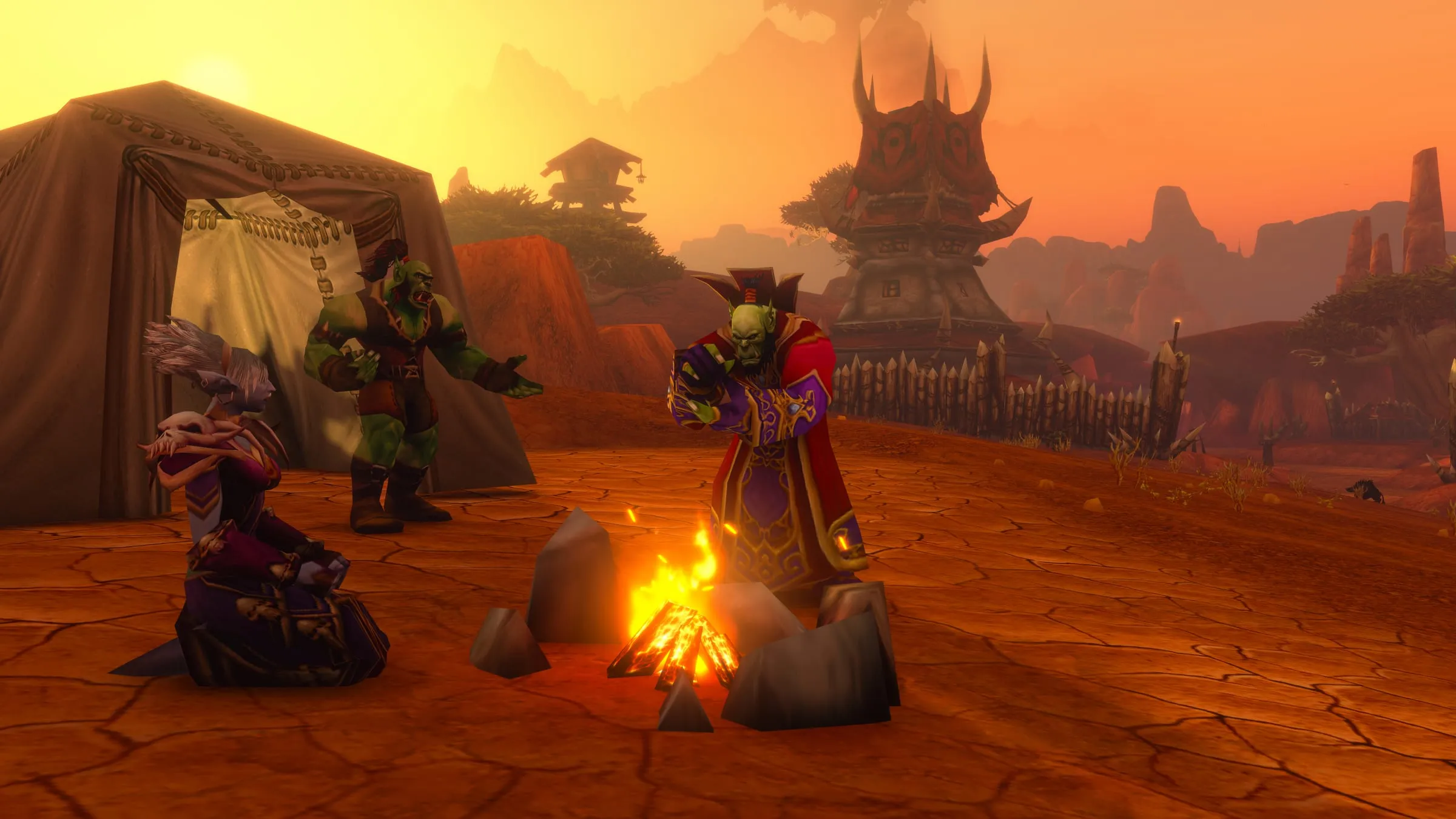
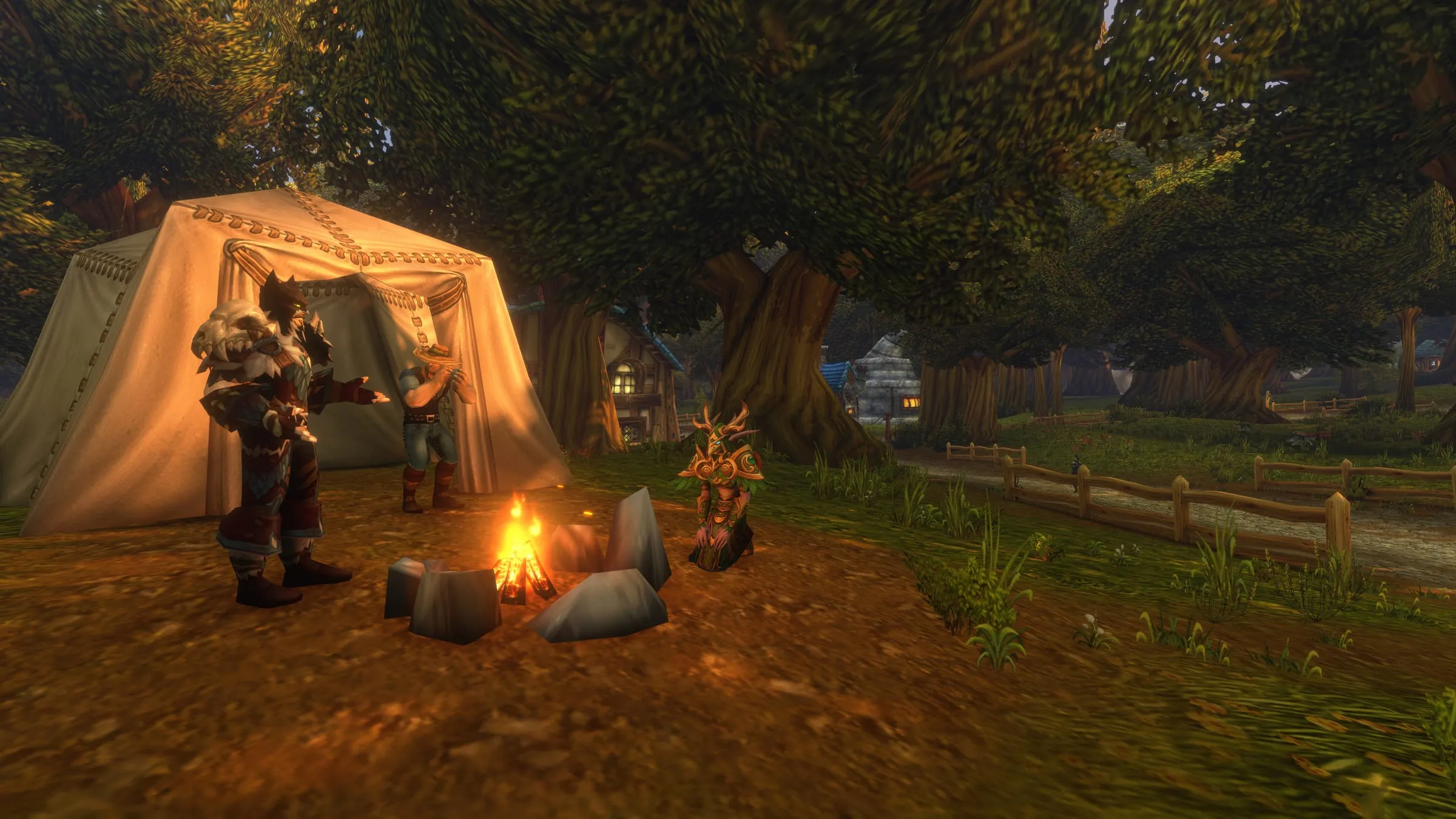
Crafting stops being a levelling tax and camps turn cooking fires into places people actually stop.
-
 Over 600 new recipes across every level range, with plenty of useful ones at low skill, plus updates to existing recipes and more arriving after launch.
 -
 Starting zones get extra profession trainers, recipes and related quests, so a profession is worth picking up early rather than at 40.
 - Gathering gets specialisations too: herbalists can lean toward rare lotus or raw volume, miners toward extra ore or rare materials.
-
 Enchanters gain rings and staves, alchemists get longer or stronger elixirs and an upgradeable trinket, and tailors can embroider gear for bonuses.
 -
 Nearly every cooked item now gives a stat bonus and a small experience trickle, which makes food part of normal levelling instead of raid-night prep.
 -
 The cooking fire becomes a real campsite offering rest, vendors, repairs, profession workspaces and hour-long buffs.
 -
 You have to sit by the fire for a moment before the buffs land. The pause is intentional, and it exists to make people talk to each other.
 -
 A camp holds three special objects, one per player, learned around 20 skill with better versions from blueprints found while adventuring. A blacksmith's sharpening wheel gives Strength, a tailor's banner gives Spirit, a herbalist's incense gives Intellect.
 - Camp buffs share a category with the equivalent class buff, so the incense competes with Arcane Intellect rather than stacking on top of it. Profession characters get to contribute without devaluing class support.
- Mount costs move to the Burning Crusade split, with more of the price on riding training and less on the mount itself. Buying your first ride is still meant to be a milestone.
The profession perks shown at BlizzCon are collected separately.
 Gear and stats
A deliberate un-solving of the Classic gear meta.
-
 Hit chance becomes one stat across melee, ranged and spell. Critical strike does the same.
 - Weapon skill survives but is spread more thinly across items and is no longer overwhelming.
-
 Healing gear now carries spell damage too, so a healer can quest and solo without a second set.
 - A new stat reduces the chance your attacks get dodged or parried, which mostly helps tanks.
-
 Caster weapons start providing spell damage and healing from around level 10 rather than deep into the game.
 - Resilience is not being added.
- World-drop epics were reworked and new ones added, so an epic dropping in the open world is exciting again.
-
 Trinkets become situational tools instead of universal stat sticks, and some gear performs differently by terrain or by enemy family. You are meant to keep a collection, not a single best-in-slot list.
 - Quest rewards were widened so more builds get something. Mor'Ladim now also offers a spell-power ring for casters, and Nesingwary's questline adds a wand and a Strength-plus-spell-damage sword aimed at Retribution.
 PvP
PvP
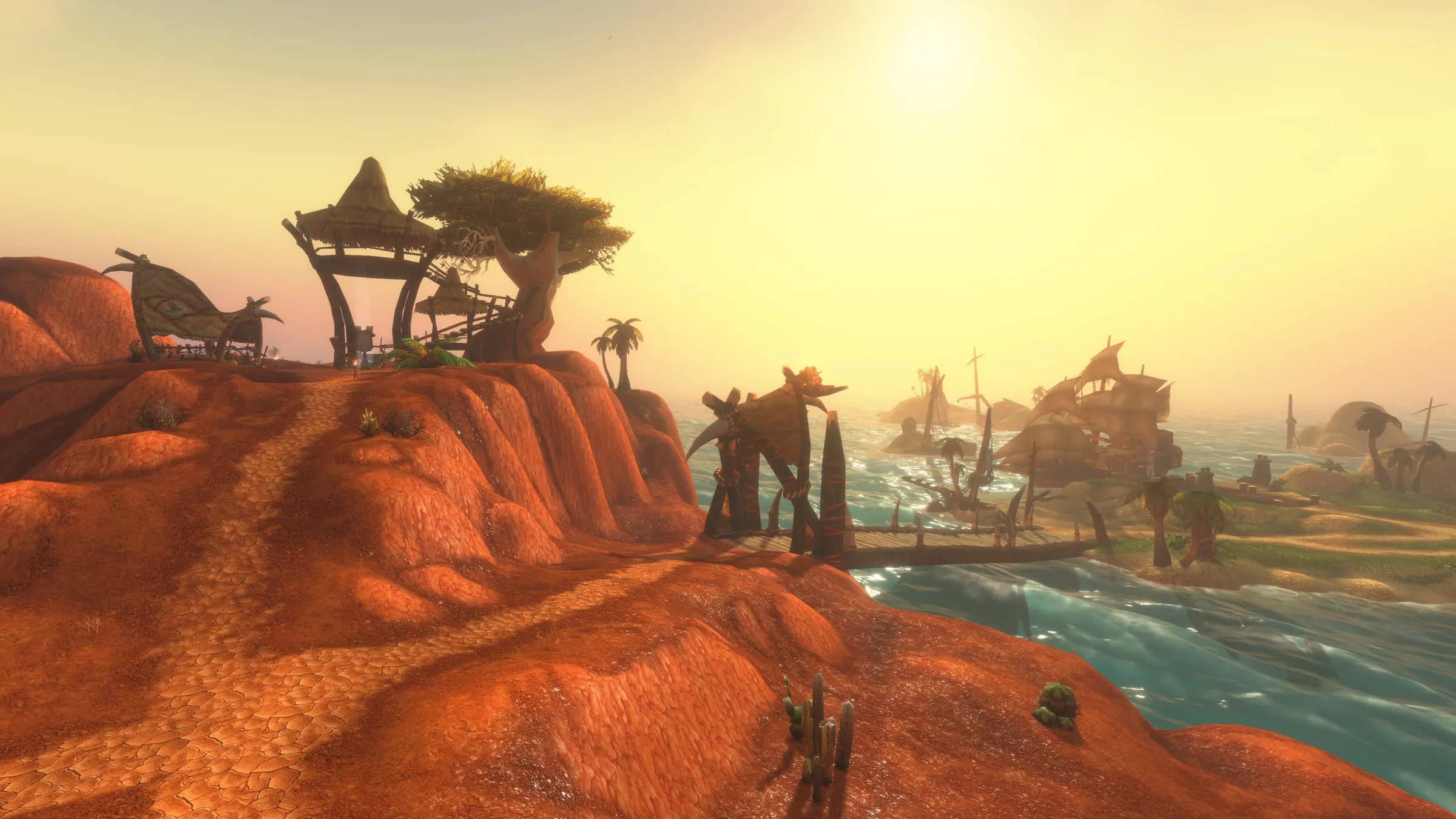
The original battlegrounds stay, and a new one lands on the Darkspear Islands.
-
 The new battleground is 15 versus 15 in the Darkspear Islands.
 - It plays closest to Eye of the Storm: hold strategic positions around the map, capture with an Arathi Basin style flag interaction, then defend it until the position locks in.
- Horde fight alongside the Darkspear trolls, Alliance deploy with the Theramore Expeditionary Force.
- A larger new PvP system was teased without detail, and PvP seasons refresh in both 2027 update waves.
 Transmog, models and presentation
Almost all of it is optional, including whether you see other people's transmog at all.
- Transmog exists, and you can switch it off for everyone else through an NPC or a starting preset. With it off, other characters appear in what they are actually wearing while you still control your own look.
- Bind-on-pickup blue dungeon gear grants its appearance to everyone eligible when it drops, so nobody has to roll against a transmog hunter. Epic raid appearances stay with whoever loots and binds them.
-
 You can only transmog within the same armour type, and a saved outfit can hold different options per slot so it adapts when you swap armour class. Level limits on appearances disappear at 60, and PvP looks still need the rank.
 -
 One toggle switches the whole game between the original and HD character models, applied consistently to you, other players and NPCs. Classic animation sets were restored for the HD models.
 -
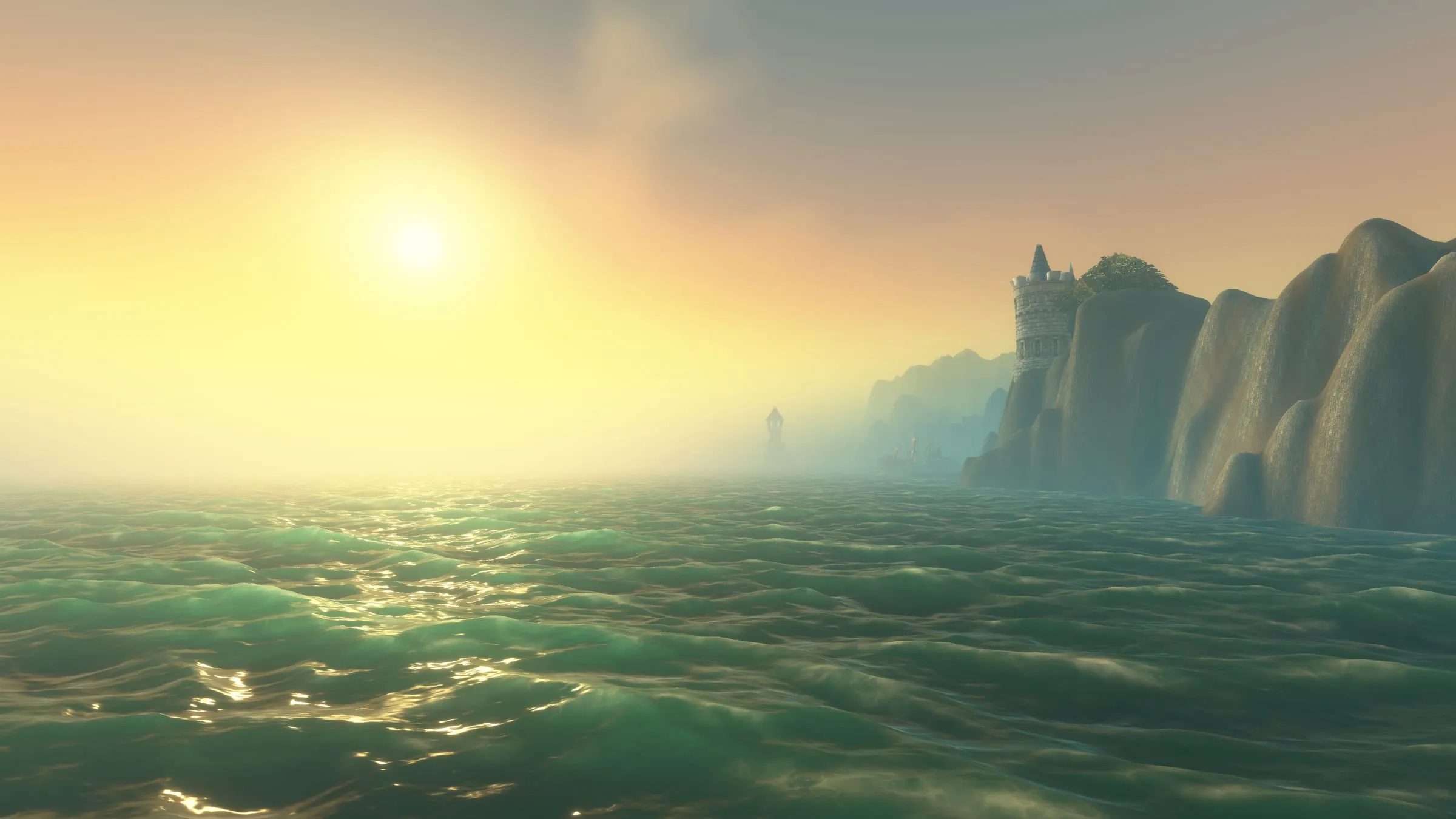
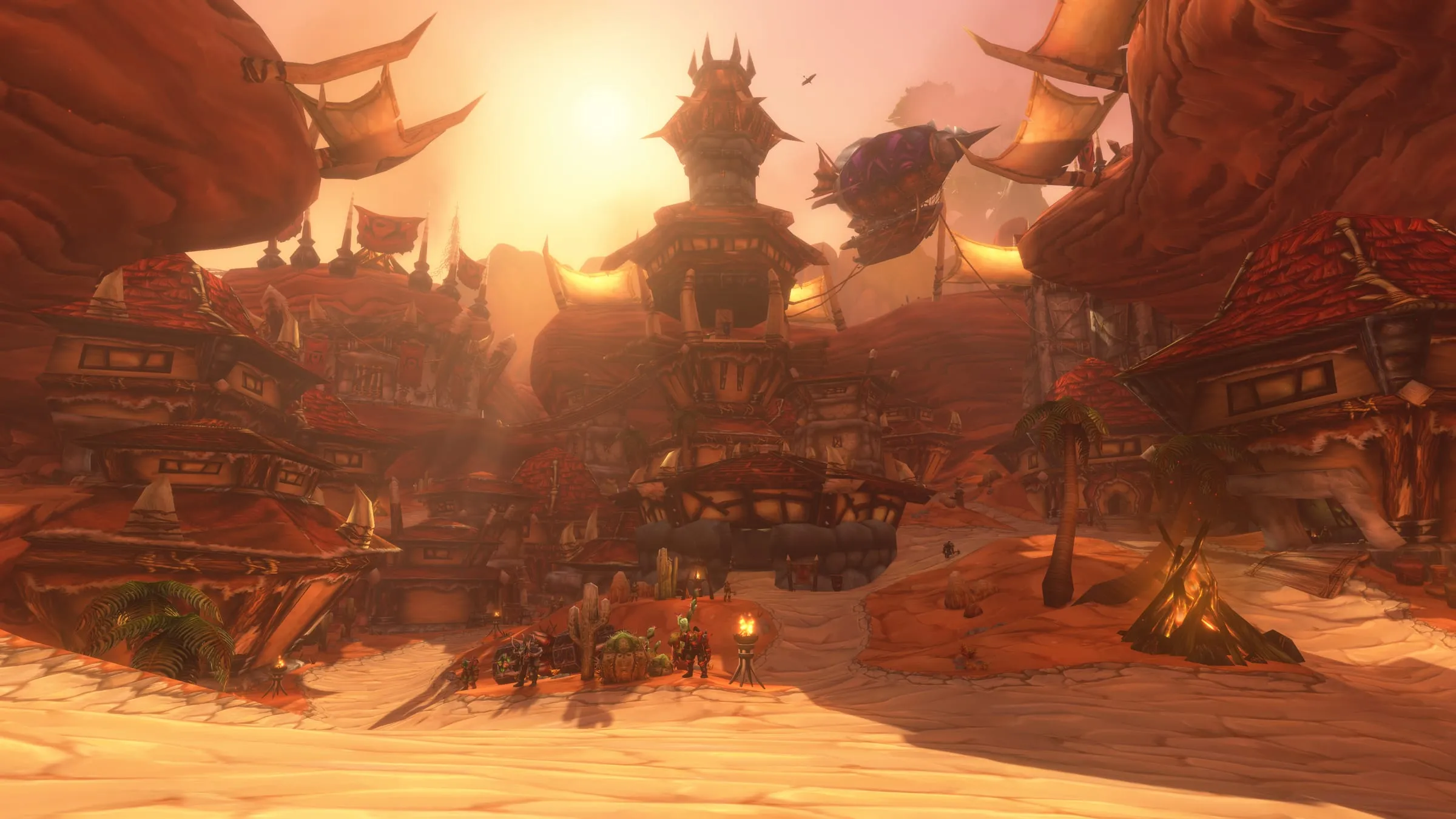
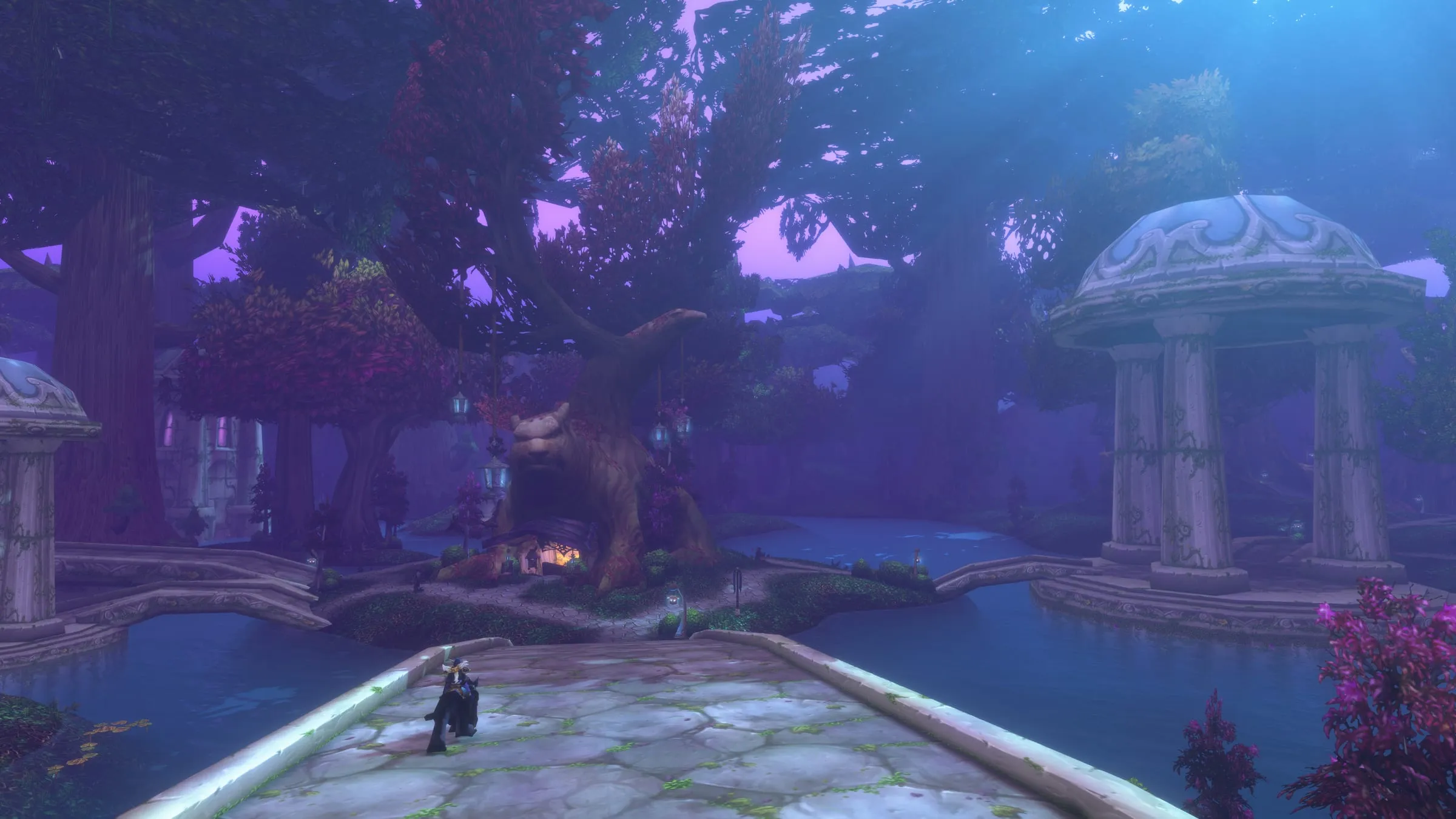
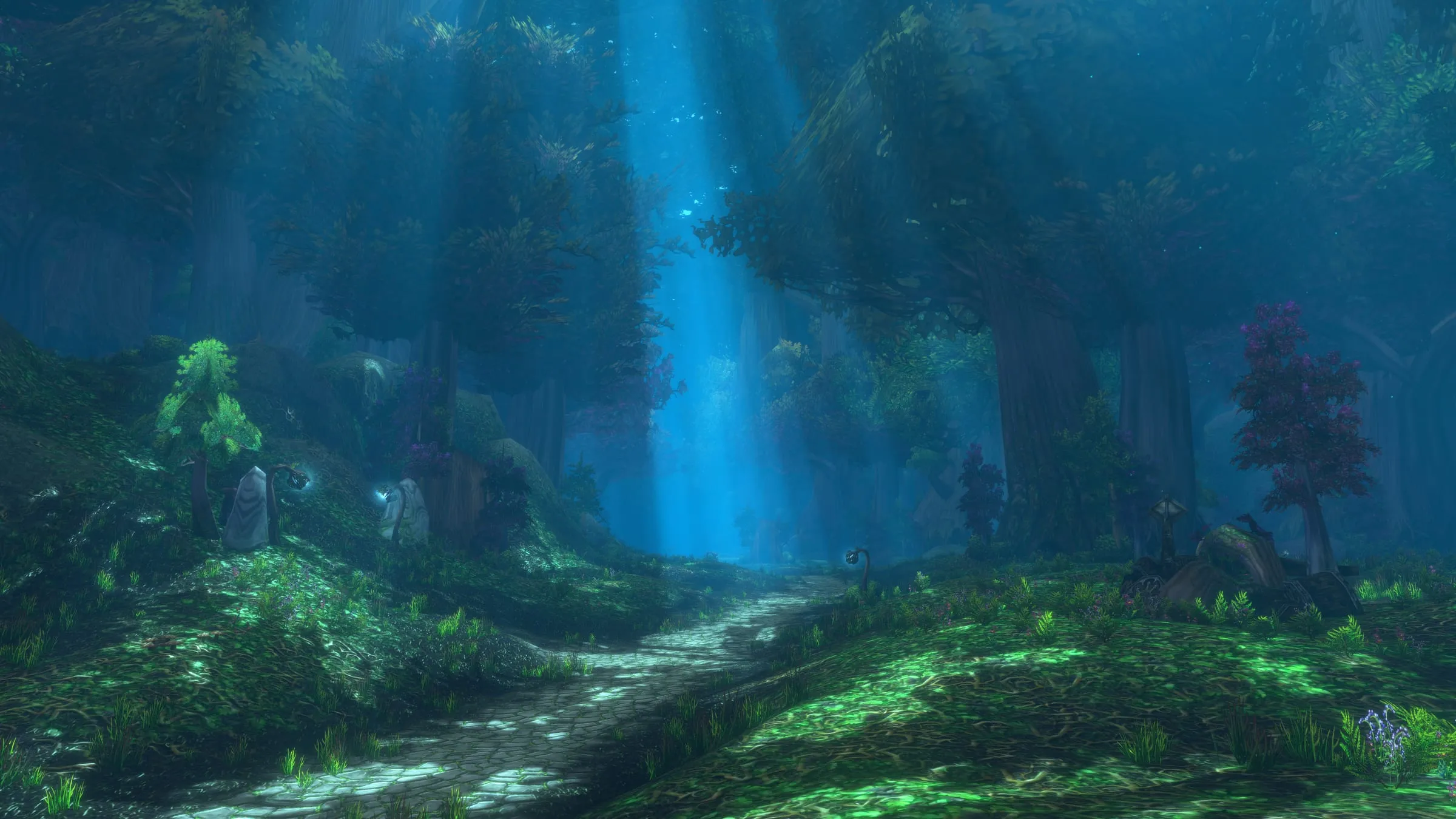
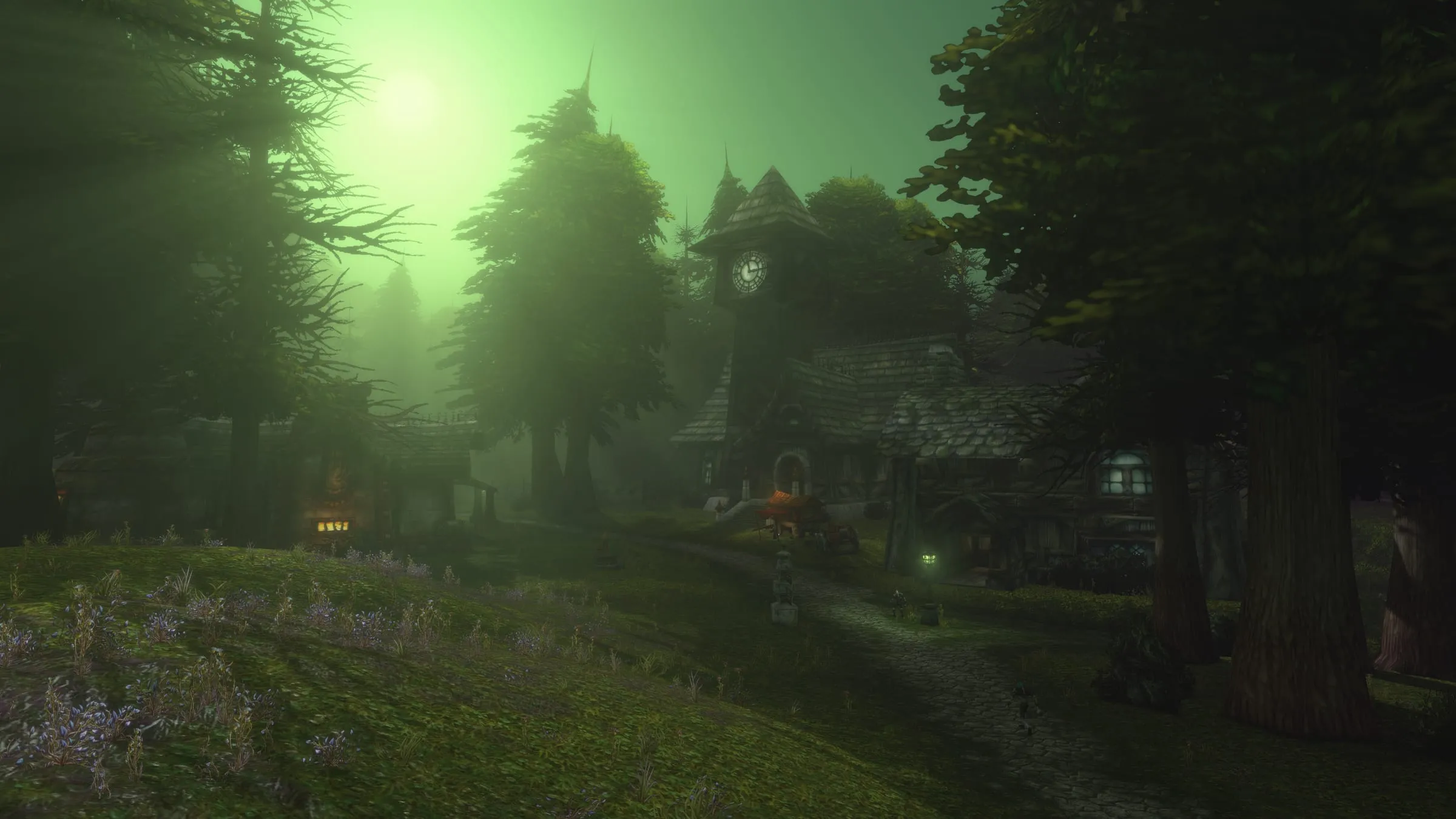
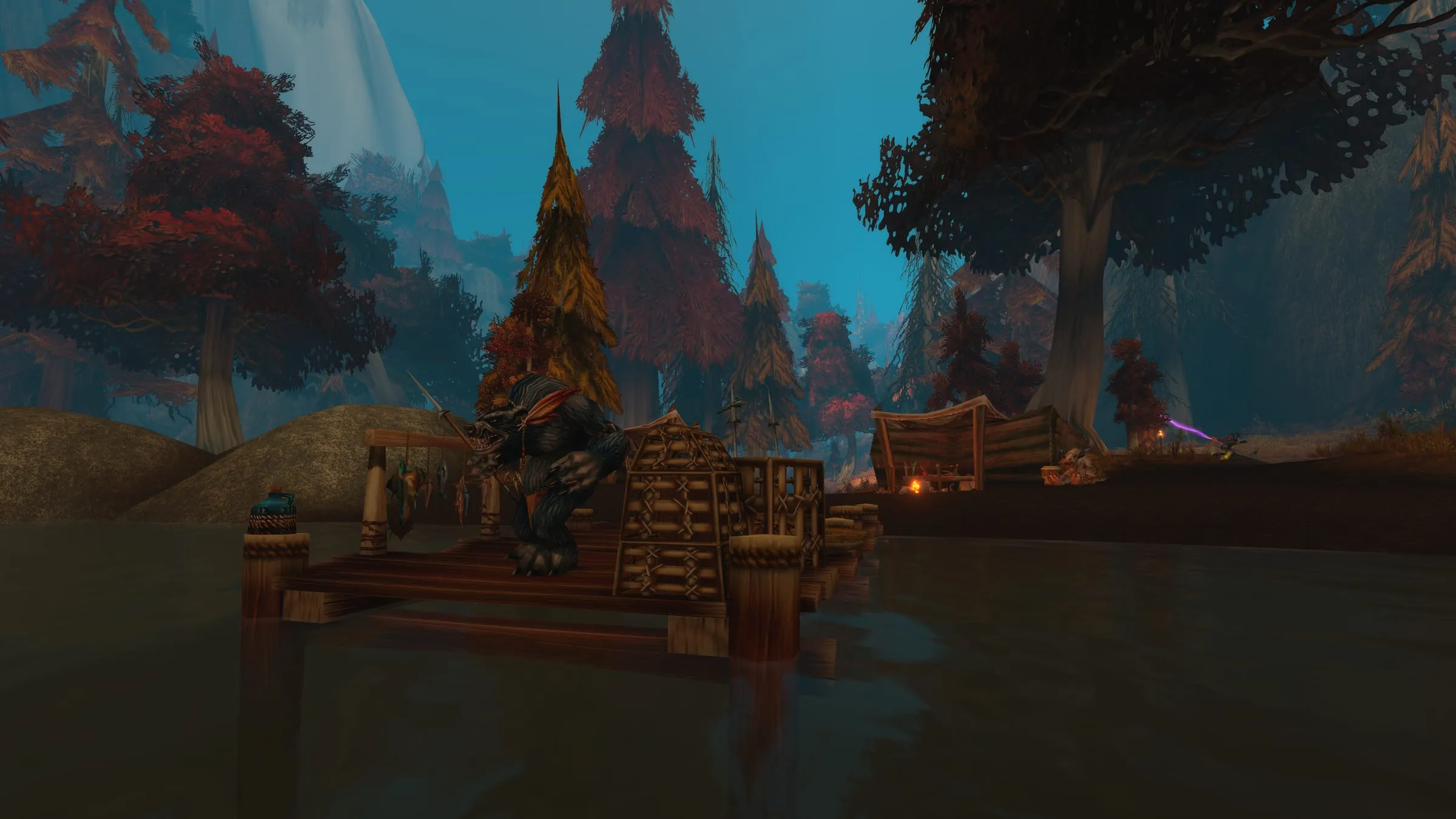
 The environment rendering improves without touching the art direction: flowing rivers, Duskwood fog, moonlight coming through Ashenvale.
 -
 Official gamepad support is being added.
 How the stories are being written
The pitch is 'found photographs': things that could plausibly have happened in vanilla but were never shown.
- The approach is to expand characters who were underused, show what famous people were doing off-screen, open places that were always locked, and finish local stories that trailed off.
- New mysteries are preferred over tidy answers to old ones, and big events get told from ground level instead of through one long campaign starring the famous cast.
- Content is sorted into three buckets: anticipated places like Hyjal, new stories built from familiar Warcraft material, and genuinely unexpected additions like the Skyborne, used sparingly so classic Azeroth still feels like itself.
 Teased but not detailed
Mentioned on stage without specifics. Treat these as direction rather than promises.
- Grim Batol and a growing red dragon presence.
-
 More Azshara content, including its large unused crater.
 - A revamped iconic vanilla raid and Forever's first new legendary.
- A larger redesigned PvP system, and more Legacy trees and perks.
-
 More race and class combinations, and possibly an entirely new class. Blizzard said a new class is not off the table but announced nothing.
 - The Emerald Dream, Caverns of Time, Uldum, Gilneas and other unfinished vanilla regions came up as creative opportunities, not as planned content.
 When you can play
Two dates matter right now, and both are close.
- Beta runs from 17 September to 22 October 2026 and caps testing at level 30.
- Name reservation and character creation open on 27 October 2026.
- Launch is 4 November 2026. Raids follow on 9 December, and Hardcore arrives later in the winter.
- Playing requires the standard WoW subscription, with paid editions on top for the Skyborne and other extras.
Every dated beat from the official year-one plan, including the 2027 updates.
On the numbers
Forever has been shown, not shipped. The tooltips above were read from a convention build running level 38 demo characters, so the damage and mana figures are not what a level 60 will see, and wording still shifts between a show floor and a beta.
From 17 September the beta client's own tables drive the talent and ability pages here, and every number stops being a transcription.
Page data version 2026-09-14b. Talent and ability figures generated from build 1.15.9.69722 plus the Forever overlay. Screenshots © Blizzard Entertainment, from the official press kit. Unofficial fan site, not affiliated with Blizzard Entertainment.